
Farmers in Southern Ukraine May Use Areas Not Sown with Winter Crops for Pulses
High Logistics Costs and Competition Will Force Farmers to Reduce Pea Acreage
16 October 2026, 12:47 144

Ukrainian farmers harvested around 800 thousand tonnes of yellow peas in 2026, but the export potential has not yet been fully realised.
Lika Koptyanets, Sales Manager at Exim Asia/Agroleader, said this in a comment to the Global Pulse Confederation.
The expert noted that the area under the crop increased significantly, but the expansion in plantings did not result in a proportional increase in production due to a lower average yield of around 2–2.5 t/ha. At the same time, the overall quality of the harvest is assessed positively: the peas are of an acceptable size, have good colour and show less insect damage than last year.
Lika Koptyanets noted that after the harvest was completed, pea prices declined, in some cases falling below wheat prices.
«This is unusual and may have implications for planting decisions next season. It is also important to understand that the final export price is influenced by much more than just the purchase price. Logistics, destination, loading point, quality specifications and payment terms all play a significant role,» the expert explained.
According to her, for a relatively low-priced commodity, even a difference of €20–30 per tonne in transport costs can completely change the economics of an export transaction. At the same time, border delays, a shortage of trucks and unstable tariffs create additional risks, while port costs, sea freight, transit and the overall reliability of the logistics chain add further expenses.
«Demand for yellow peas on the global market remains, but buyers have become extremely price-sensitive. Ukrainian exporters are forced to compete not only on product quality, but above all on the final delivered cost,» the expert added.
Competition with russia is particularly challenging, as it has more favourable logistics options on certain key routes, including to China. Canada also remains an additional competitor.
Lika Koptyanets noted that supplying peas to the Chinese market remains challenging for Ukrainian exporters, while domestic processing requires significant investment, which is being constrained by the war.
«High logistics costs, pressure on domestic prices and strong competition on the global market are creating serious challenges for the industry. If these conditions persist, farmers may reconsider the area allocated to peas next season, which could potentially reduce production,» the expert concluded.

 14 October 2026, 07:20503
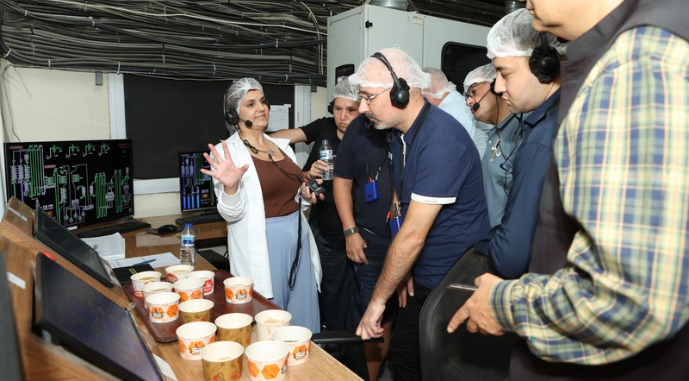
Chickpea and Lentil Paste: How One of the World's Largest Legume Processing Plants Operates
 02 October 2026, 07:201355
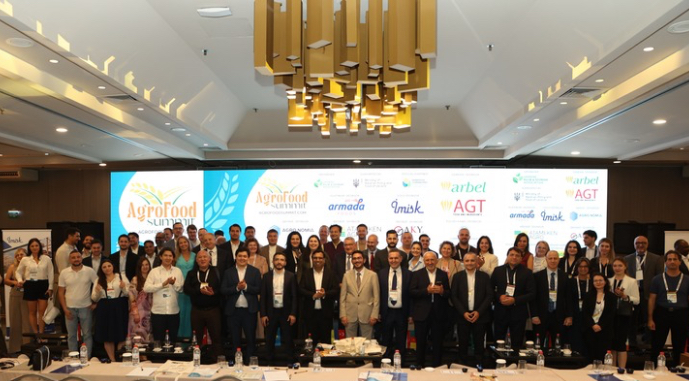
Shifting Trade Flows: What Opportunities Are Available to Ukrainian Producers?
 18 September 2026, 07:201581
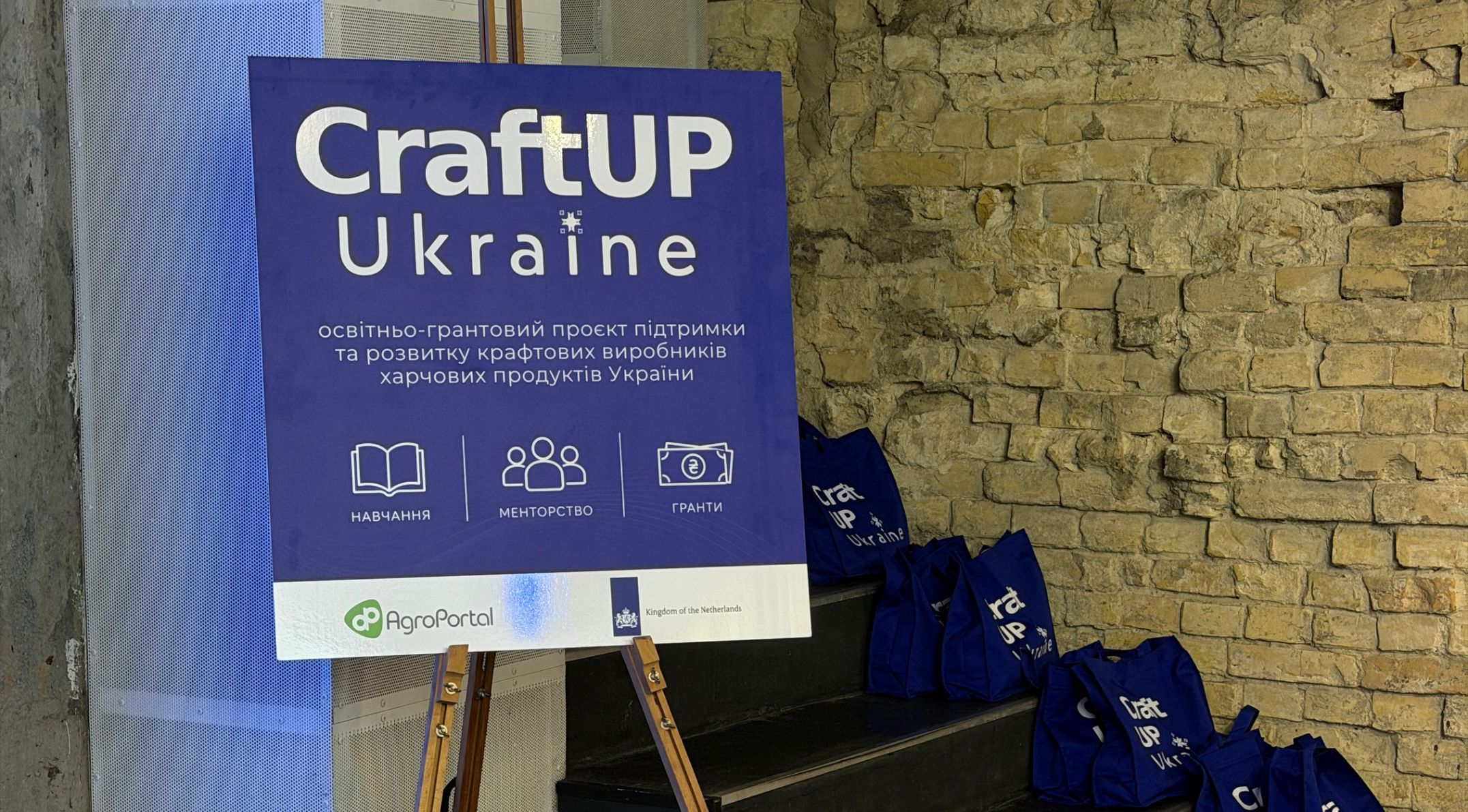
CraftUP Ukraine: Finalists Presented Their Business Projects and Received Grants
- 14 October 2026, 07:20 503Chickpea and Lentil Paste: How One of the World's Largest Legume Processing Plants Operates
Participants of AgroFoodSummit, which took place in Mersin, Türkiye, at the end of September and was organised by the Ukrainian Pulses and Soybean Association, visited Arbel, one of the largest exporters and processors of pulses. Visitors saw how products are made — from raw materials through processing and preparation for shipment to international markets.
- 08 October 2026, 06:16 2160
 No Supplier Gap Will Remain: Importers Seek Alternatives to Pulses from the Black Sea Region
Among the world’s three most widely traded pulse crops — lentils, chickpeas and peas — Ukraine is a significant player only in the pea market. However, agricultural exports are currently facing difficulties, even though the volumes involved are relatively small: in the 2026/27 marketing year, Ukraine is expected to export 600 thousand tonnes of peas. The problem lies not only in blocked sea routes but also in constant attacks on infrastructure and vessels, meaning that restoring logistics to the required capacity will take considerable time.
- 21 August 2026, 10:25 1642
 Ukraine Enters the New Season with Large Pea Stocks: Will Its Position in Asia Strengthen?
The global pulses market is entering the 2026/27 marketing year from very different positions. In some countries, harvests are falling short of expectations, while others are becoming increasingly dependent on imports, and traditional trade flows are changing under the influence of weather, logistics and demand from the largest consumers. Ukraine is entering the new season with a substantial supply of peas: 779.02 thousand tonnes have already been harvested.