
Our philosophy is not about making money, but about benefiting our native region, leaving a legacy behind and putting Odesa Region on the world map as a wine-producing region. Amid the wave of patriotic enthusiasm we are experiencing now, Ukrainians are increasingly choosing local products. However, this wave may pass, so our task is to establish in people’s minds that we have worthy wines.
Ukrainian Wine with Character, or How Odesa Region Is Securing Its Place on the World Wine Map
02 September 2026, 07:59 1906
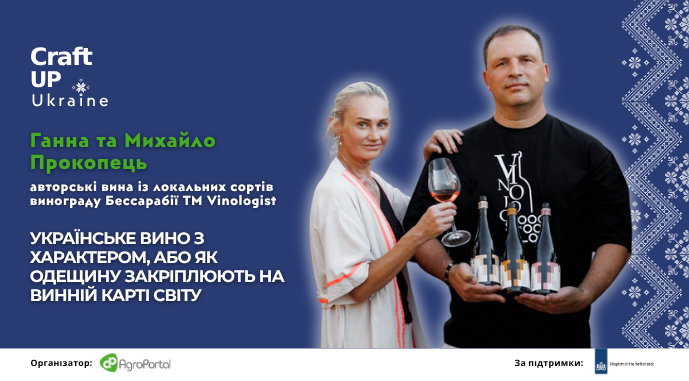
The Vinologist craft winery specialises in producing signature wines from local grape varieties of Bessarabia. Its founder, Mykhailo Prokopets, plans to promote wines from Odesa Region by obtaining a geographical indication and uniting local winemakers into an effective association.
Vinologist is developing not only production but also intimate wine tourism.
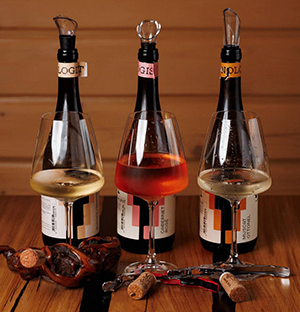
The tasting room can accommodate 10–12 guests at a time. In the summer of 2026, the first commercial tastings were held here — a format that allows visitors not only to taste the wines but also to hear the story of the varieties, vineyards and people behind each bottle.
Nearby, the family is developing a château where, in the future, guests will be able to stay and spend more time at the winery.
In the long term, Mykhailo sees Vinologist as a place through which people can discover Odesa Region — its land, gastronomy and family traditions.
However, there are still plenty of ambitious plans, so Mykhailo Prokopets is currently looking for opportunities to participate in grant programmes, including the CraftUP Ukraine educational and grant project, where Vinologist became one of the 10 finalists.
Mykhailo Prokopets, founder of Vinologist
Mykhailo himself has been familiar with winemaking since childhood. In his Ukrainian-Bulgarian family (his father is Ukrainian and his mother is Bulgarian. — Ed.), winemaking was more of a hobby — for themselves and as gifts. But after obtaining an official licence as a small producer of alcoholic beverages a year ago, it has now become a family business, and the craft beverages are legally available on the market and in stores.
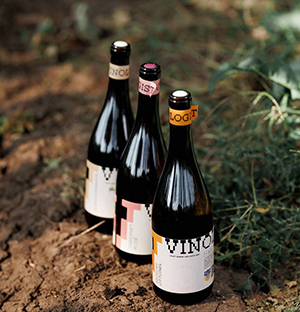
The winemaker is a supporter of a technological approach, but with minimal intervention and without depleting natural resources, so they can be preserved for future generations. He says that his grandchildren should benefit from the vineyards being planted today.
Sustainable farming is a conscious choice, which is why they also opt for innovative fungicide protection. There is no way around it, Mykhailo adds, because diseases are progressing, and without responding to them, vineyards can be lost for several years. This also means financial losses, and enthusiasm alone cannot take a business very far without income.
The entrepreneur recalls that during perestroika, many vineyards in the region were uprooted. According to his mother’s memories, Bessarabia used to produce a surplus of wine and wine materials, which were purchased by wineries — this was how local people survived, as salaries on collective farms were extremely low.
Mykhailo Prokopets, founder of Vinologist
In our family, wine was never a way to get drunk. It was part of a meal, respect for the land and for people’s labour. This is exactly the culture of responsible consumption that we want to revive.
Wine has always been part of everyday life and family culture in the family. They made it for themselves, treated friends to it and gave it to loved ones as gifts. For a long time, it remained a passion, but in 2018 Mykhailo began studying technological processes more deeply and helping his family on a systematic basis. The turning point came in 2019.
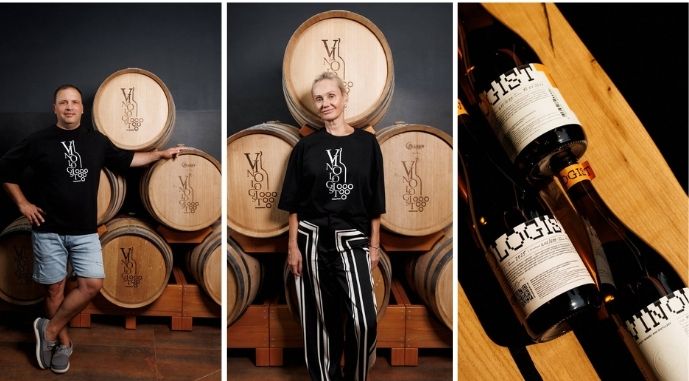
After the sudden death of his stepfather, Mykhailo Prokopets took over management of the production. The year turned out to be particularly productive: they harvested approximately twice as many grapes as expected, so he had to learn quickly, experiment and make decisions no longer as an assistant, but as the person responsible for the entire process.
Since then, the craft producer has continuously expanded his professional knowledge and skills in winemaking. Thanks to new knowledge and experience, the winery maintains a high level of quality and continuously expands its range, offering unique flavours.
Today, Vinologist’s hallmark is wines based on unique autochthonous varieties — Odeskyi Chornyi and Sukholymanskyi Bilyi. The flagship varieties are complemented by Cabernet, Merlot and Rkatsiteli. The grapes are grown on 4 hectares of leased land in Izmail District.
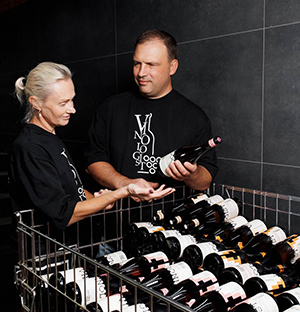
Wine is born in the vineyard, Mykhailo states. According to him, first and foremost, the grapes must be of very high quality: not rotten, without sunburn and free of debris. They are sorted by hand, with every bunch inspected, resulting in significant waste. The grapes then have to be transported to the winery in Odesa District without any loss of quality, so they hire a contractor with a five-tonne refrigerated truck, into which the grapes are loaded in 12 kg crates.
Forty tonnes of grapes and 20,000 bottles per season is the maximum winery capacity that the owner aims to reach within three years.
As for last season, 10 tonnes of grapes were harvested. During the season, 2,000 bottles of ordinary wine were produced, while another 2,000 bottles will be aged wine, which is currently maturing in barrels.
Vinologist’s pride is its reserve wines for discerning connoisseurs. They are aged for six months in oak barriques (barrels. — Ed.) and then for another year in the bottle. It is a long and costly process, the entrepreneur adds, but «these are wines with character, they are from Odesa Region and are definitely the best in Ukraine.»
Mykhailo Prokopets, founder of Vinologist
We are not chasing volume for the sake of volume itself. It is important for us to grow at a pace that allows us to preserve quality and find our consumer. If the wine is not sold, it must be stored properly, while winery space always has its limits. That is why we produce approximately 600 bottles of each variety per year.
This season, they plan to add sparkling wines to their still wine range, including preparing wine material for them. Previously, they lacked the necessary equipment, particularly a specialised closed-type membrane press. The grape harvest for sparkling wines lasts only one week during the season, and it is a very premium product, the entrepreneur notes. However, sparkling wine will definitely be added to the range, as the necessary modern press is already at the winery thanks to a grant programme from FAO Ukraine.
Mykhailo Prokopets intends to continue investing in and developing his own business. He regrets nothing and is investing everything the family had into the business in Ukraine because he believes in the Armed Forces of Ukraine and our victory.
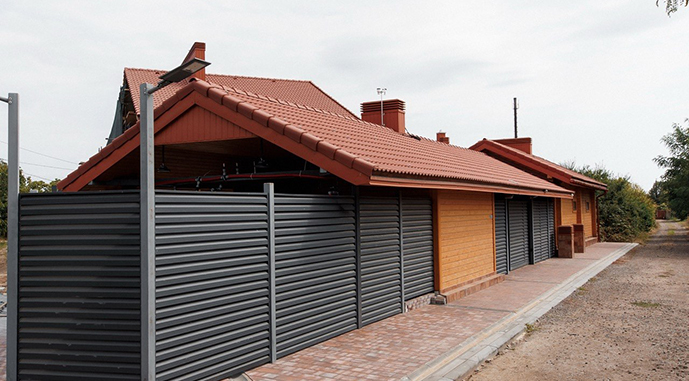
The first few sales seasons have confirmed that Vinologist has found its audience: the wines are selling well, the team is receiving plenty of positive feedback, and customers are returning with repeat orders. For a small winery, this is a particularly important indicator—people choose the product not only because of its local origin, but because they genuinely like the wine. Vinologist also plans to participate in Ukrainian wine festivals to personally introduce guests to its products and is working on its own website for online sales.
Alla Stryzheus, AgroPortal.ua
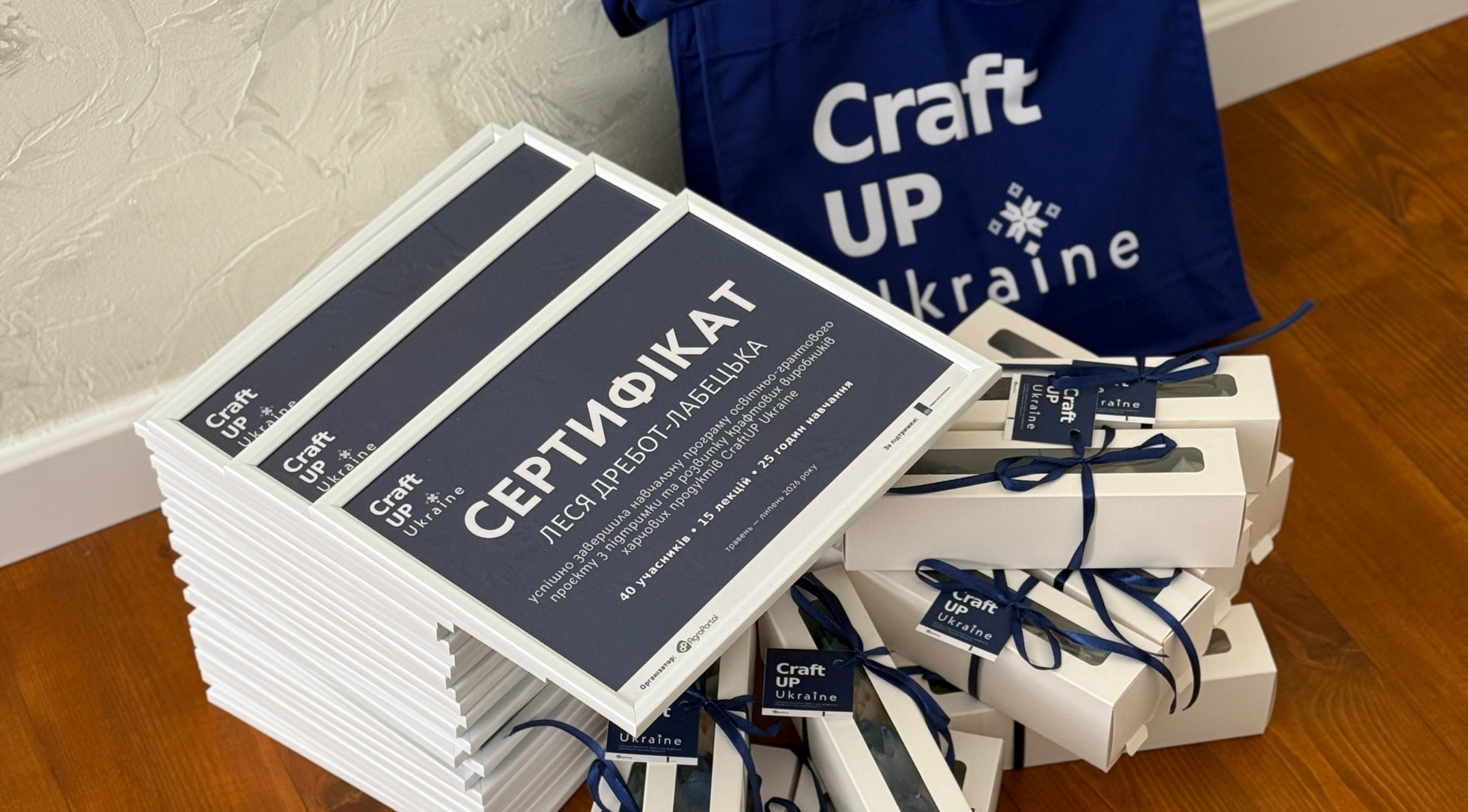
For reference: CraftUP Ukraine is an educational and grant project for craft food producers organised by the online publication AgroPortal.ua with the support of the Government of the Kingdom of the Netherlands in Ukraine. The project consists of several stages. The first was a study of Ukraine’s craft production market, based on the results of which a training programme was developed. Its participants included 40 craft producers from different regions of Ukraine.
Following the educational stage, 10 finalists were selected and are now preparing for the final presentation of their business projects. In September, they will present them to the Expert Council. At the same time, the CraftUP Ukraine team is introducing the audience to the stories of all the finalists, while the participants themselves are taking part in individual mentoring sessions with specialised experts.
Information about the project is available on the page of the Embassy of the Kingdom of the Netherlands in Ukraine

 14 October 2026, 07:20608
Chickpea and Lentil Paste: How One of the World's Largest Legume Processing Plants Operates
 02 October 2026, 07:201384
Shifting Trade Flows: What Opportunities Are Available to Ukrainian Producers?
 18 September 2026, 07:201607
CraftUP Ukraine: Finalists Presented Their Business Projects and Received Grants
- 17 October 2026, 09:30 352
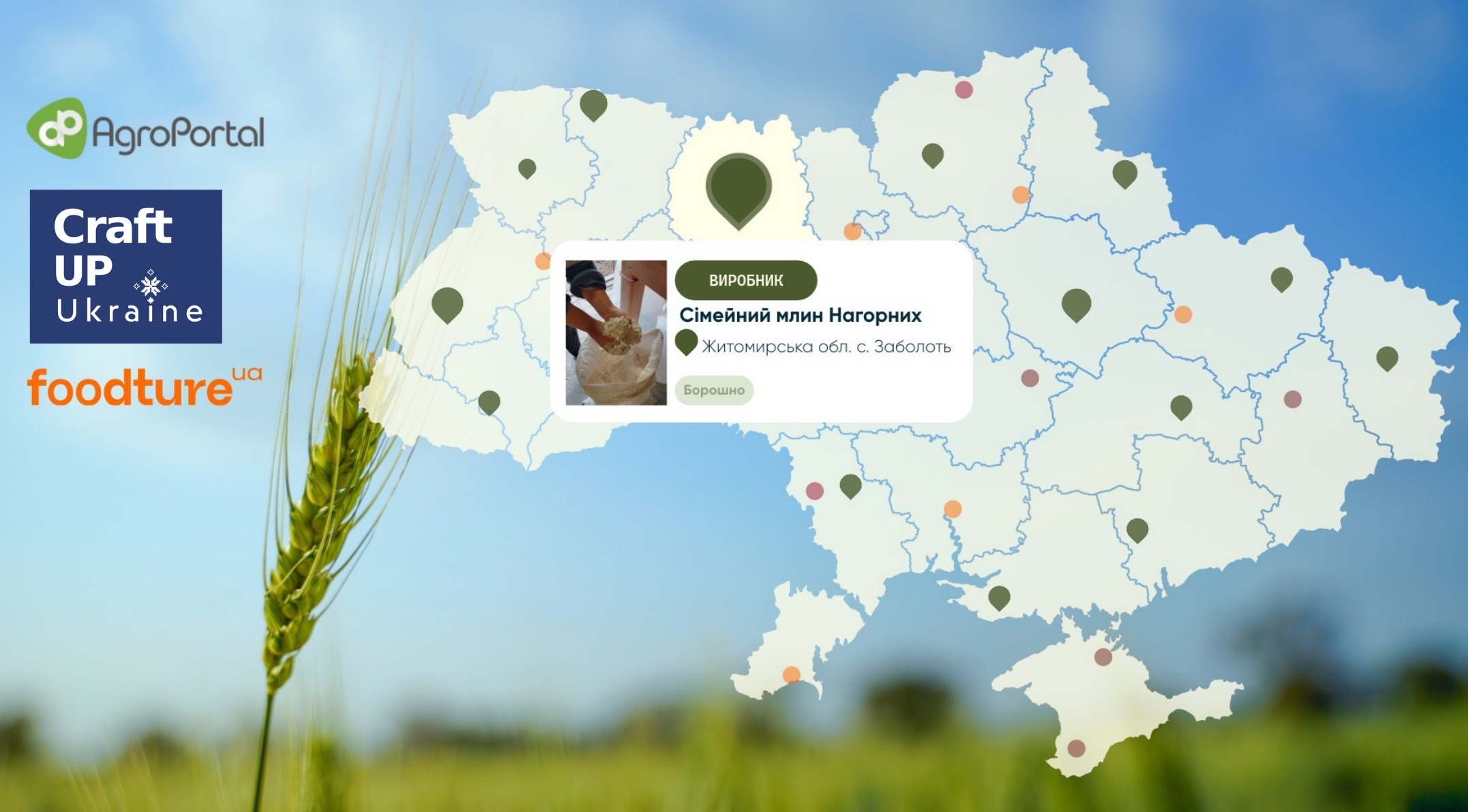 CraftUP Ukraine Producers to Join Ukraine’s Living Map of Flavours
Participants of the CraftUP Ukraine educational and grant project will be able to present their products and stories on Foodture Ukraine — Ukraine’s living map of flavours.