
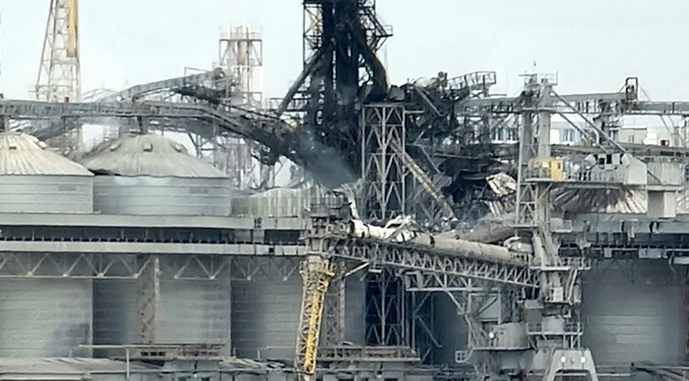
Attacks on the Ports of Greater Odesa: Rising Logistics Costs Remain the Most Sensitive Challenge

After more than four years of full-scale war, Ukraine’s agricultural sector has learned to operate under constant logistics risks. As a result, scenarios involving partial disruptions to port operations have long been incorporated into the day-to-day operations of TAS Agro.
This was stated by Anton Zhemerdieiev, Commercial Director of the company, in a comment to AgroPortal.ua.
«We use several logistics routes and continuously assess their economic efficiency. At the same time, it is important to understand that the deep-water ports provide the most competitive export route for Ukrainian grain. Therefore, any significant restrictions on their operations affect the entire market, not just individual companies,» he said.
At present, TAS Agro does not see any critical risks to fulfilling its contractual obligations, although the company continues to closely monitor the situation and is prepared to promptly adjust its logistics depending on how events unfold.
At the same time, Anton Zhemerdieiev noted that the market responds very quickly to any increase in security risks.

According to Anton Zhemerdieiev, the greater risk at present is not the physical inability to export grain, but the growing logistics cost component. Ukrainian grain competes on the global market primarily on price, meaning that every additional dollar spent on logistics directly reduces the purchase price received by Ukrainian agricultural producers. This is currently the market’s most sensitive issue.
TAS Agro’s own grain elevator facilities provide sufficient capacity to receive and store both the company’s harvest and grain produced by partner farms located near the company’s operating assets.
«We have not increased our grain elevator service tariffs. We do not want to speculate on the situation. In addition, we have the flexibility to manage shipments and, when necessary, use partner infrastructure. Therefore, even if exports temporarily slow down, we do not expect any critical storage problems,» the Commercial Director concluded.
Alla Stryzheus, AgroPortal.ua

 14 October 2026, 07:20587
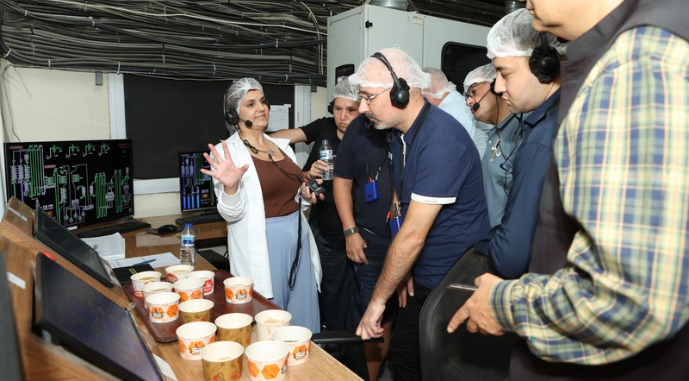
Chickpea and Lentil Paste: How One of the World's Largest Legume Processing Plants Operates
 02 October 2026, 07:201382
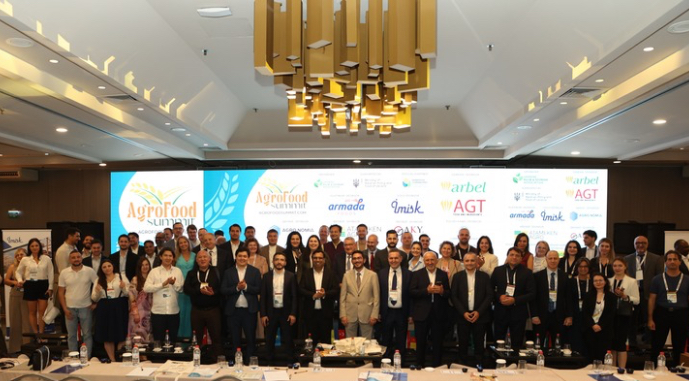
Shifting Trade Flows: What Opportunities Are Available to Ukrainian Producers?
 18 September 2026, 07:201603
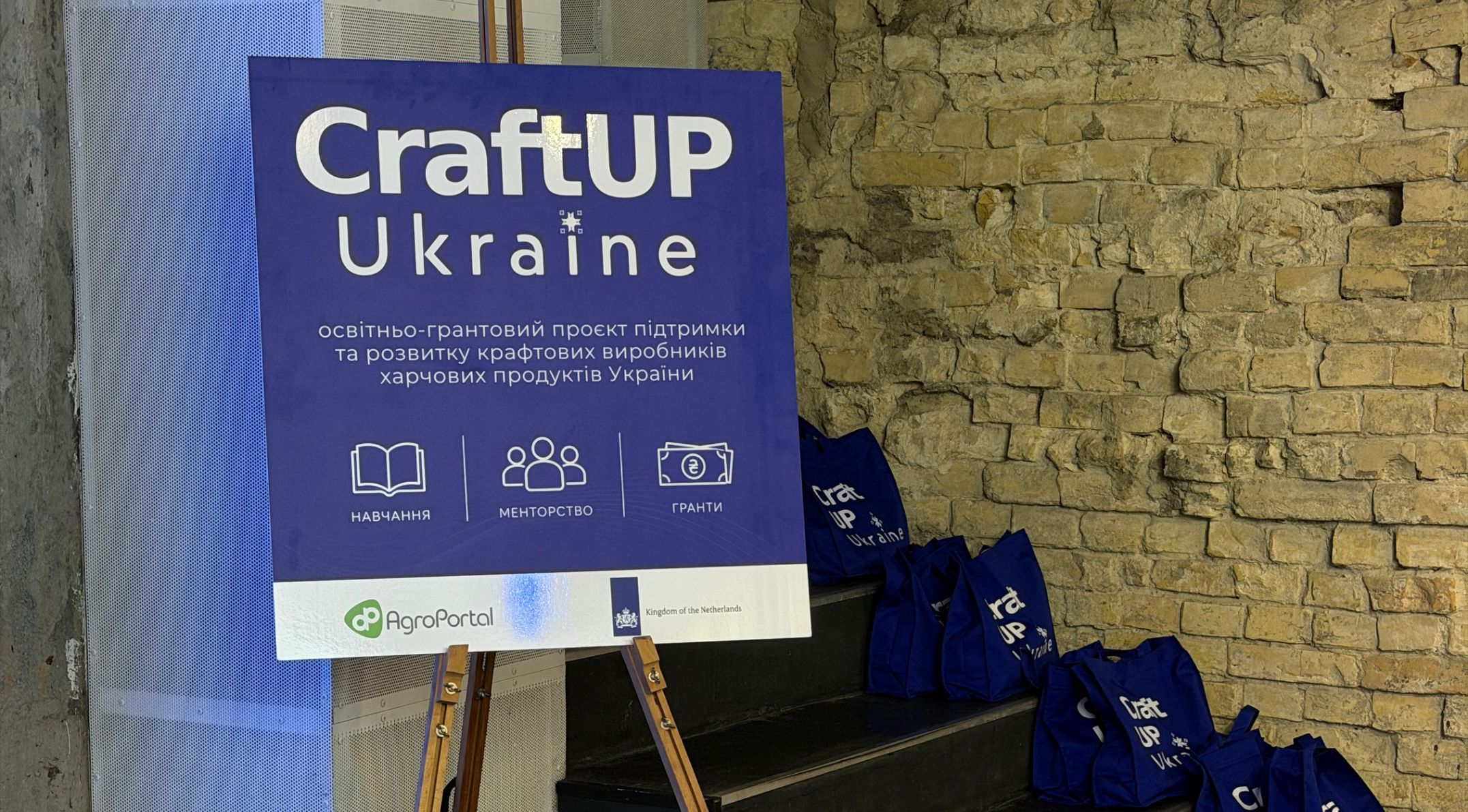
CraftUP Ukraine: Finalists Presented Their Business Projects and Received Grants
- 12 October 2026, 14:27 978
 Port Blockade to Cost Ukraine Around 2% of GDP
Dragon Capital forecasts two years of decline in Ukraine’s gross domestic product (GDP).