
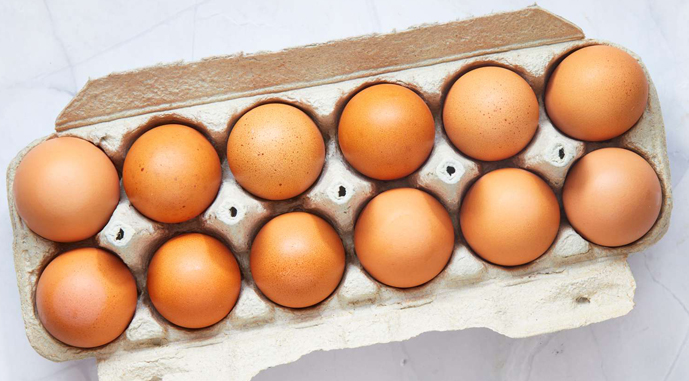
Франція поскаржилась Єврокомісії на курячі яйця з України
British farmers are outraged by egg imports from Ukraine
22 April 2026, 08:00 16188

Egg producers in the UK are outraged that products imported from Ukraine are cheaper than their local counterparts.
Farmers say that this makes it increasingly difficult for them to compete in their own market, Kommersant Ukrainsky writes.
According to industry sources, the total consumption of eggs in the country is growing steadily.
Last year, the average British resident consumed 209 eggs a year. Some attribute this to a wave of home baking after lockdowns, while others attribute it to the popularity of brunch.
At the same time, in the fourth quarter of 2025, 273 million dozen eggs were produced in the UK for human consumption. This volume does not fully cover domestic demand.
The abolition of duties and quotas on a number of Ukrainian agricultural products, including eggs, by the UK has created the conditions for a sharp increase in supplies. Last year alone, a record 200 million Ukrainian eggs were imported into the country.
Imports of eggs to the UK have doubled since 2021, and now about one in nine eggs on British shelves is of foreign origin. Back in 2022, the figure was around one in 30. Most of the imported eggs last year came from Ukraine.
British farmers complain about unfair competition. Most of the imported eggs are class B, which are eggs of a non-standard shape or with thin shells that are immediately used in the production of biscuits, sauces, or in restaurants. Farmers argue that cheap imports are driving local products out of the market.
Another argument from British farmers is animal welfare standards. Some Ukrainian products come from cage systems, which have been banned in the UK since 2012. Because of this, local producers believe that they are effectively having to compete with products made under different rules. They believe that many consumers would refuse to consume eggs from caged hens if they knew about this.

 18 September 2026, 07:20322
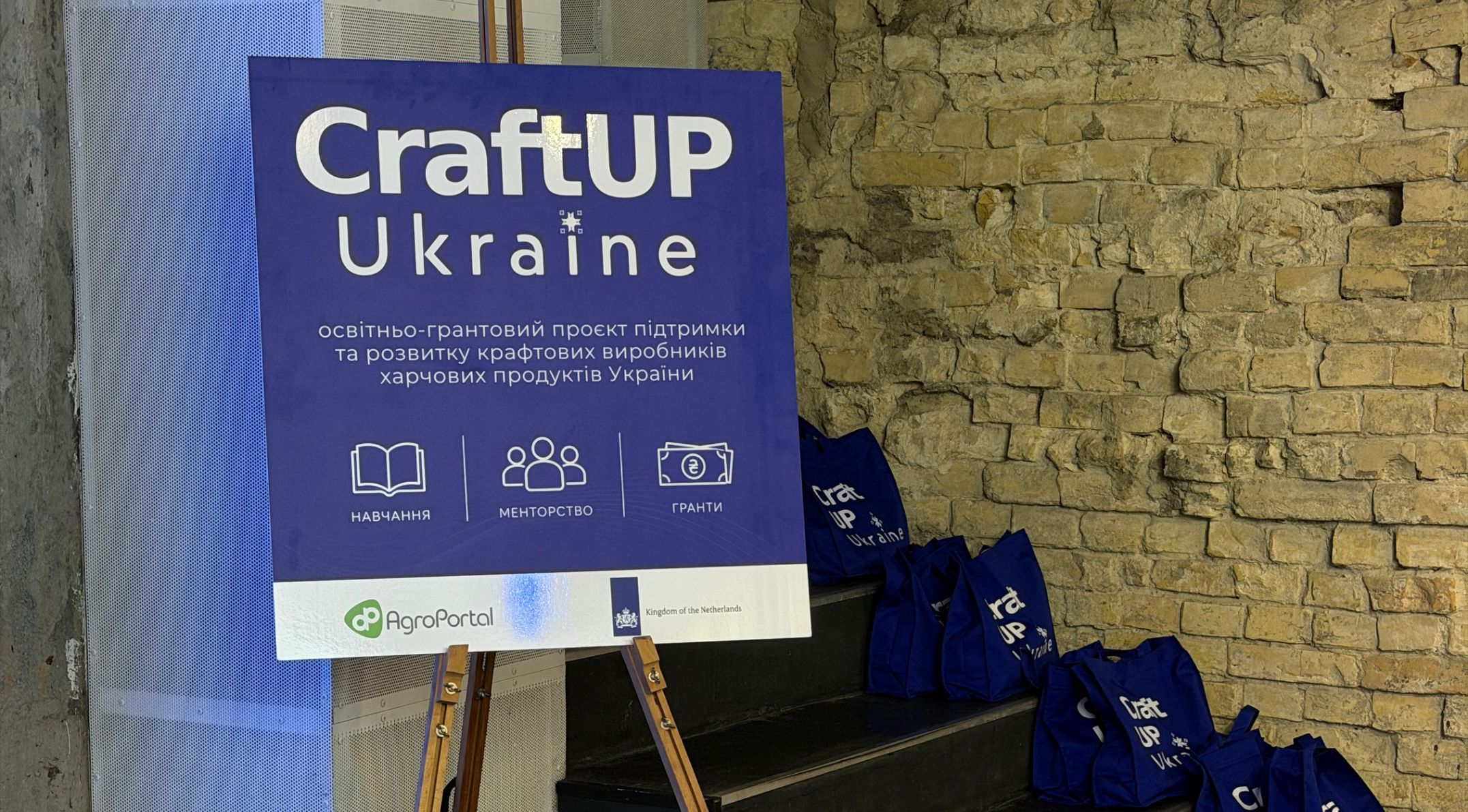
CraftUP Ukraine: Finalists Presented Their Business Projects and Received Grants
 03 August 2026, 07:201540
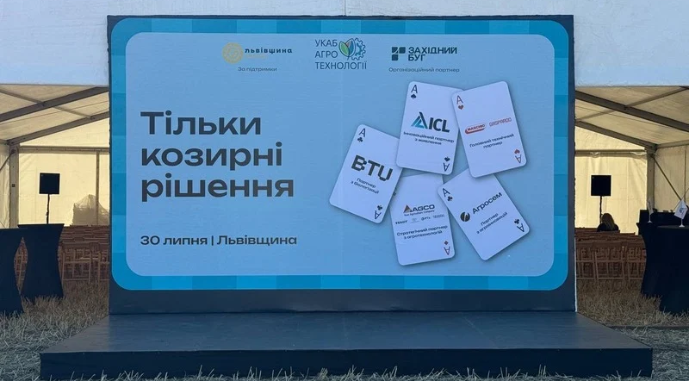
UCAB Agrotechnologies 2026. West: All Winning Solutions in One Field
 03 July 2026, 07:202250
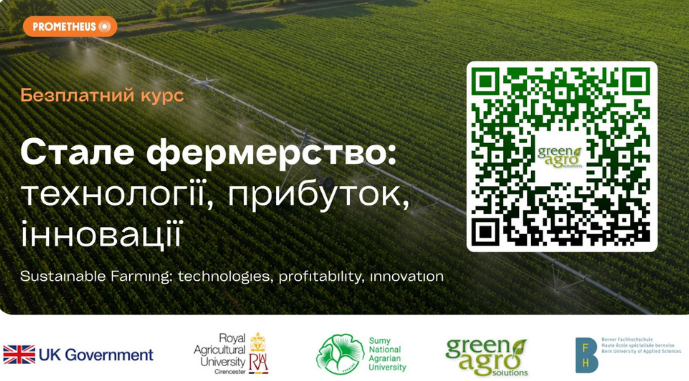
Sustainable Farming: Implementing Modern Sustainable Technologies Without Unnecessary Mistakes and Losses
- 16 September 2026, 09:56 843
 Another 22 Ukrainian Enterprises Gain the Right to Export Poultry Meat and Eggs to the EU
Enterprises accredited to export products to the European Union produce 83% of poultry meat and 75% of table eggs in Ukraine.
- 28 August 2026, 08:47 1067
 Ukraine Prepares to Return to Japan’s Poultry Meat Market
The Ministry of Agriculture, Forestry and Fisheries of Japan (MAFF) conducted an online audit of Ukraine’s control system and poultry production facilities last week.
- 27 August 2026, 13:22 913
 More Than 75% of Ukraine’s Egg Exports Go to the EU
In July of this year, Ukraine exported 216.9 million eggs worth $17.7 million.