
Ukraine’s livestock sector forecast to remain stagnant in 2026

Livestock production in Ukraine in 2026 is expected to decrease by 2.3% compared with the previous year and amount to UAH 197.9 billion in constant 2021 prices.
This forecast was made by researchers at the National Scientific Center «Institute of Agrarian Economics.»
According to Oleksandr Nechyporenko, Deputy Director of the NSC IAE and Corresponding Member of the National Academy of Agrarian Sciences of Ukraine, meat production — livestock and poultry raising — is forecast to decline by 1.6% in 2026 compared with 2025. In particular, beef production is expected to fall by 6.9%, pork by 4.7%, sheep and goat meat by 6.5%, and meat of other animals by 1.5%.This decrease is expected mainly due to a reduction in livestock numbers in households: cattle, excluding cows, by 20%; pigs by 7%; and sheep and goats by 10%.
A decrease is also expected in the indicator «sales of products in live weight» across all categories of farms: cattle by 7%, pigs by 5%, and sheep and goats by 7%, Oleksandr Nechyporenko said.
An increase is expected only in poultry meat production — by 0.9%, driven by a 2% rise in sales of products in live weight.
According to researchers, milk production is forecast to decline by 4.3% in 2026, while wool production is expected to decrease by 5.1%.
Egg production will remain at the 2025 level.
Overall, according to the forecast by researchers at the Institute of Agrarian Economics, the livestock sector continues to remain stagnant, showing an expected decline in gross output due to a decrease in livestock numbers, rising feed and energy costs, limited access to sales markets, and ongoing risks related to russia’s armed aggression against Ukraine.
«The expected decline in milk production may lead to a further increase in Ukraine’s dependence on imports of dairy products. However, a positive development in the livestock sector is the growth in poultry meat production, which highlights the relative resilience of poultry farming under today’s difficult conditions,» Oleksandr Nechyporenko concluded.
 14 October 2026, 07:20211
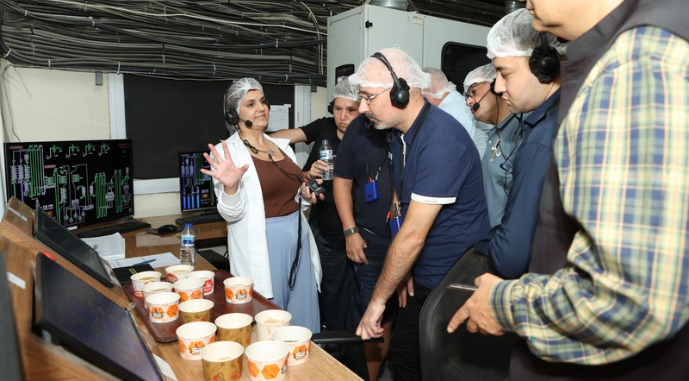
Chickpea and Lentil Paste: How One of the World's Largest Legume Processing Plants Operates
 02 October 2026, 07:201295
Shifting Trade Flows: What Opportunities Are Available to Ukrainian Producers?
 18 September 2026, 07:201536
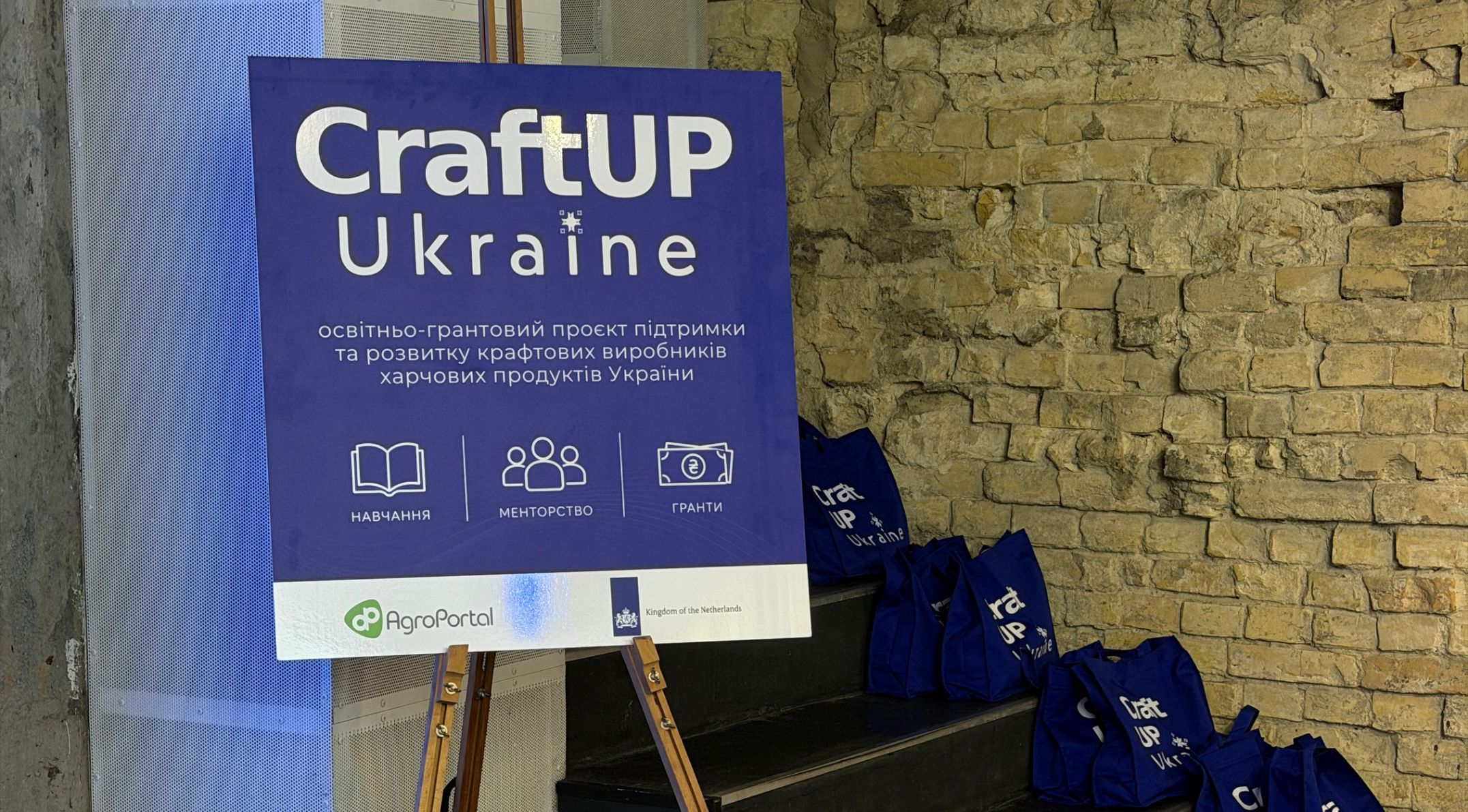
CraftUP Ukraine: Finalists Presented Their Business Projects and Received Grants
- 11 October 2026, 08:45 1529
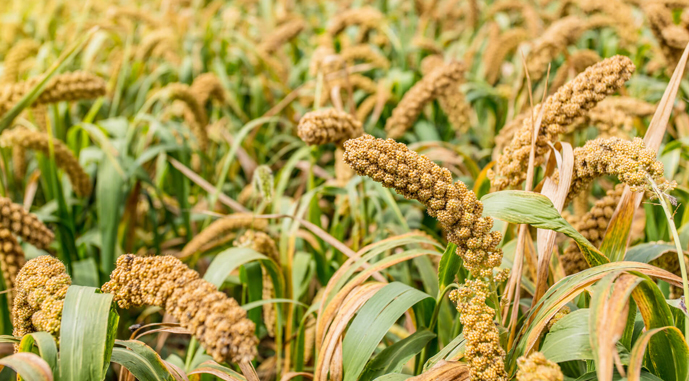 War Changes Geography of Millet Production in Ukraine
The traditional area for millet cultivation in Ukraine is the steppe regions. At the same time, under the influence of russia’s full-scale invasion of Ukraine, changes in production geography and climatic factors, the area of millet cultivation is gradually shifting and expanding, particularly towards the Forest-Steppe and Polissia regions.
- 06 October 2026, 12:45 1177
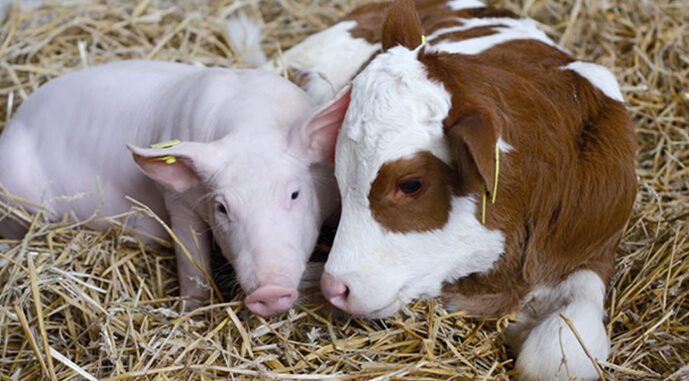 Ukraine Has Made Tremendous Progress in Animal Welfare
Ukraine is moving from legislative harmonisation to the practical implementation of European farm animal welfare standards.
- 04 October 2026, 08:40 1846
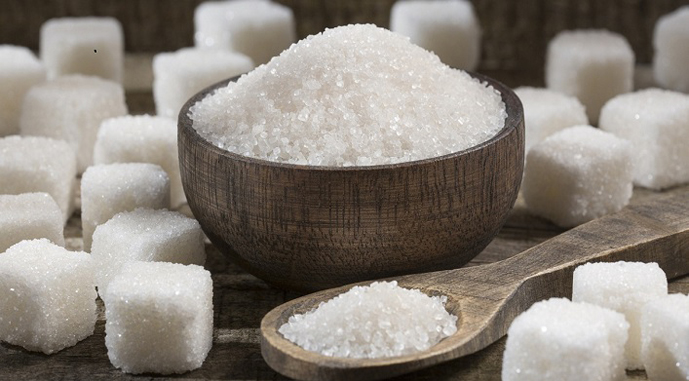 El Niño threatens the global sugar market with shortages and rising prices
Weather anomalies linked to El Niño are dampening the outlook for sugar production in key producing countries. After an expected surplus, the market may shift to a deficit in the new season, and raw sugar futures have risen by more than 25% since July.
- 03 October 2026, 08:00 1791
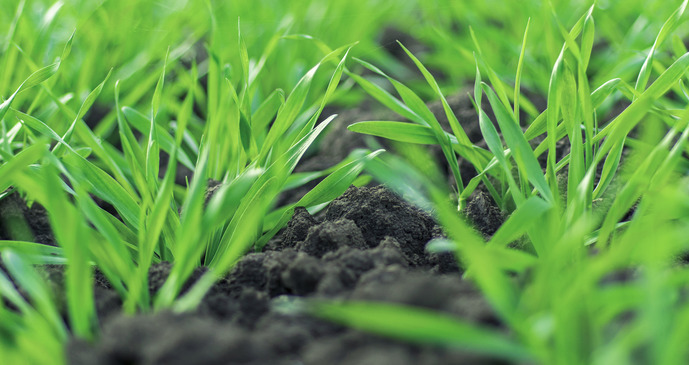 Ministry of Agrarian Policy Says How Much Winter Crop Area Will Decline
The current situation with complicated logistics caused by the blockade of Black Sea ports has not had a critical impact on the autumn sowing campaign. However, the area under winter crops will still decline.