
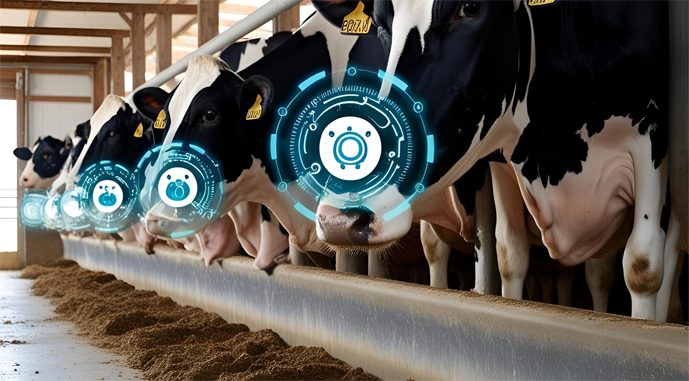
Штучний інтелект заходить у молочний сектор Китаю
From Data to Decisions: How Artificial Intelligence Is Transforming Livestock Farming
19 July 2026, 06:28 3946
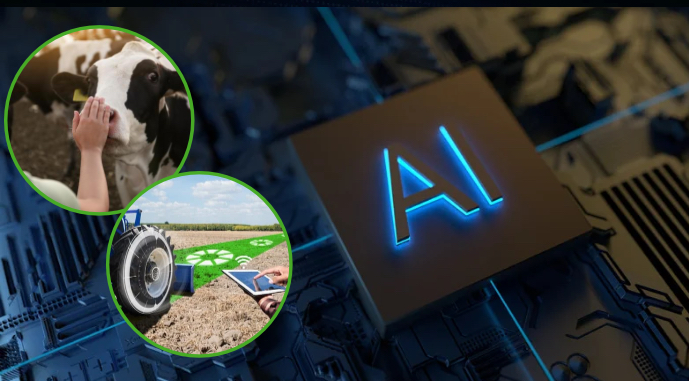
Artificial intelligence (AI) is increasingly becoming the link between data collection and decision-making in livestock farming. While farmers have invested heavily in sensors, farm management software, and automated systems over the past decade, the key challenge today is making effective use of the vast amounts of data being collected.
Many farms already continuously collect data on animal behaviour, feed intake, microclimate conditions, and animal health. Sensors monitor activity, cameras observe animals, and herd management systems accumulate extensive datasets. As a result, the challenge is no longer collecting information, but transforming it into practical management decisions.
These opportunities offered by modern digital technologies will be one of the key focuses of EuroTier 2026, which will take place on 10–13 November in Hanover, Germany. This year’s exhibition, organized by the German Agricultural Society (DLG), will be held under the guiding theme «Intelligence in Animal Farming.»
«Sensors collect real-time data 24/7. Artificial intelligence helps interpret this information and identify areas where action is required—often much earlier than would be possible without digital support,» says Susanne Gäckler, Livestock Expert at DLG.
From Monitoring to Comprehensive Analysis
Modern technological developments go far beyond simply monitoring individual parameters. While early digital systems primarily focused on tracking specific indicators, AI-powered solutions are capable of integrating information from multiple sources, identifying complex patterns, and providing more comprehensive decision support.
According to Prof. Matthias Schick of Strickhof and AgroVet-Strickhof in Switzerland, the future of livestock farming lies in connected systems that combine data from sensors, cameras, and herd management platforms. Integrating artificial intelligence into these data streams enables farmers to detect problems earlier, optimize processes more quickly, and make better-informed decisions regarding animal welfare, labour efficiency, and farm profitability.
Among the latest developments are systems capable of «listening» to animals and identifying health problems through sound analysis, camera-based technologies for assessing animal condition and behaviour, as well as AI-powered tools that analyse data to support management decisions.
«These developments demonstrate how artificial intelligence is moving from experimental applications into practical livestock farming. Based on current market trends, we expect to see even more AI-powered innovations at EuroTier 2026,» says Susanne Gäckler.
Early Detection of Animal Health Issues
One of the most visible applications of artificial intelligence is animal monitoring. Modern systems combine cameras, microphones, wearable sensors, and digital identification technologies to monitor livestock behaviour around the clock.
Changes in movement patterns, feeding behaviour, body condition, or vocalisation may indicate potential health problems long before they become visible during routine inspections.
In dairy farming, camera-based systems are increasingly used to detect lameness, monitor body condition, and support calving management. In pig production, sensors and cameras help identify deviations from normal behaviour, allowing farmers to respond to potential problems at an earlier stage.
Cameras Are Becoming a Key Monitoring Tool
While many early digital systems relied on individual sensors, camera-based technologies are becoming an increasingly important trend. According to EuroTier trend analyses, these systems are increasingly being used alongside other monitoring tools. Combined with artificial intelligence, they can assess behaviour, mobility, and animal welfare indicators across large groups of animals without the need for continuous manual observation.
At the same time, animal welfare is becoming increasingly measurable. Researchers are already exploring the use of movement patterns, tail posture, and even animal vocalisations as objective indicators of animal welfare.
Connected Systems Instead of Isolated Solutions
Despite rapid technological progress, one of the key challenges remains the isolated nature of many digital tools. Sensors, herd management software, climate control systems, and feeding equipment all generate valuable information, yet they often fail to communicate effectively across different platforms.
Experts therefore consider cross-platform interoperability among solutions from different manufacturers to be one of the next major steps in the digitalisation of livestock farming. The objective is not simply to generate more data, but to combine information from multiple systems in order to support decisions related to animal health and welfare, labour management, energy use, and farm profitability.
AI Goes Beyond Animal Monitoring
As documentation and reporting requirements continue to grow, AI-powered systems are increasingly being used to support regulatory compliance and administrative processes. Automated documentation and digital record-keeping can reduce paperwork while providing more transparent evidence of compliance with animal welfare requirements and farm management practices.
This trend is expected to become increasingly important as consumers, regulators, and supply chain partners demand greater transparency in livestock production.
Despite the growing interest in artificial intelligence, technology is intended to support livestock producers—not replace them. The quality of decisions will continue to depend on farmers’ experience and professional judgement. AI, in turn, provides faster access to relevant information and more effective tools for managing increasingly complex production systems.
At EuroTier 2026, taking place from 10 to 13 November in Hanover, companies, researchers, and industry professionals will showcase the latest developments in artificial intelligence, digital livestock farming, and connected management systems. The focus will be on practical solutions designed to improve animal welfare, operational efficiency, and the sustainability of livestock production.
Yelyzaveta Kotenko, based on materials provided by EuroTier

 14 October 2026, 07:20658
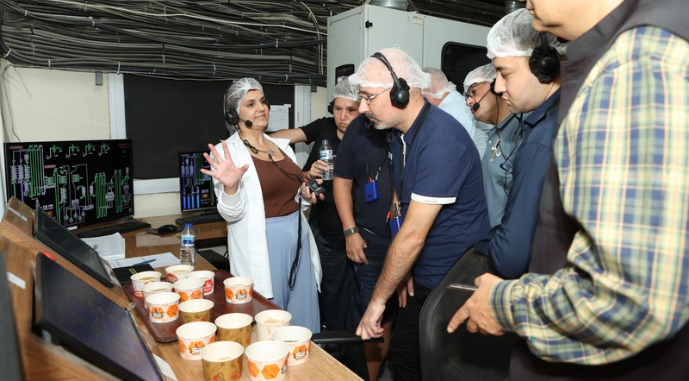
Chickpea and Lentil Paste: How One of the World's Largest Legume Processing Plants Operates
 02 October 2026, 07:201409
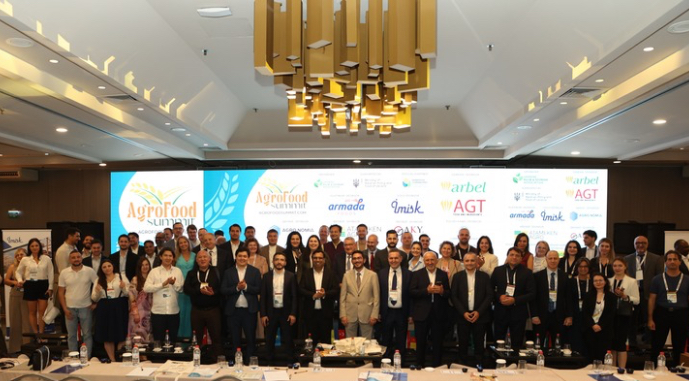
Shifting Trade Flows: What Opportunities Are Available to Ukrainian Producers?
 18 September 2026, 07:201632
CraftUP Ukraine: Finalists Presented Their Business Projects and Received Grants
- 16 October 2026, 08:42 854
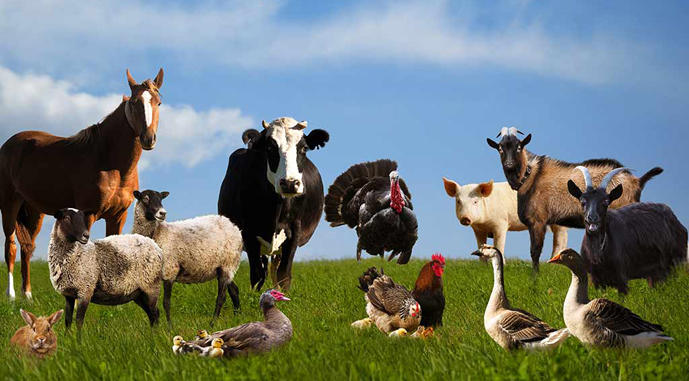 Market and Security Factors Are Changing the Structure of Ukraine’s Livestock Sector
Ukraine’s livestock sector continues to undergo structural transformation under the influence of market and security challenges.
- 15 October 2026, 13:21 1000
 Ukrainian Biotechnology Developer Honoured with Women in Ag Award
Valentyna Bolokhovska, co-founder of the Ukrainian company BTU, took third place in the Agribusiness category of the international Women in Ag Award 2026. The award recognises women for their contribution to the development of agriculture, agribusiness, education and agricultural technologies.
- 15 October 2026, 06:08 806
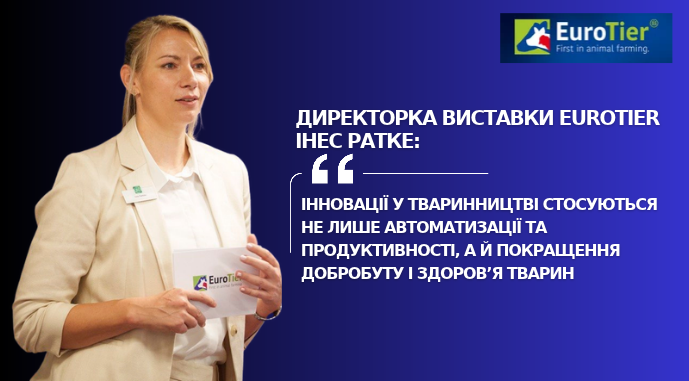 EuroTier: Livestock Innovations Focus Not Only on Automation and Productivity, but Also on Improving Animal Welfare and Health
In one month, Germany will host EuroTier, the world’s largest exhibition bringing together leading solutions for all sectors of livestock farming. This year, the event is being held under the main theme «Intelligence in Animal Farming» and focuses on the implementation of intelligent technologies, automation, artificial intelligence and robotic systems to achieve maximum efficiency, sustainability and high standards of animal welfare.